Agriculture Is No Longer Analog
Agriculture sits at the center of global survival, yet it has historically been one of the slowest industries to modernize. Weather unpredictability, labor shortages, low productivity, and inefficient resource use have created vulnerabilities in global food systems for decades. But over the past five years, a quiet revolution has reshaped the sector: smart farming powered by IoT connectivity.
The backbone of this transformation?
Multi-Carrier eUICC IoT eSIMs—providing farmers with uninterrupted, cross-border, automated connectivity for every device, sensor, and machine in the field.
This article explores how IoT eSIMs are accelerating the smart agriculture movement, enabling data-driven decisions, boosting productivity, and providing the connectivity resilience modern agriculture demands.
1. Modern Agriculture Runs on Data — But Data Needs Reliable Connectivity
Smart agriculture uses real-time data to automate or optimize nearly every aspect of farm operations. Examples include:
- Soil moisture sensors adjusting irrigation levels
- Weather stations predicting rainfall and frost events
- GPS-guided tractors navigating fields autonomously
- Livestock tags tracking animal health and movement
- Environmental monitors optimizing greenhouse operations
Each of these systems relies on uninterrupted connectivity.
But farming environments are among the most connectivity-challenged:
- Remote fields with weak cellular coverage
- Large agricultural estates spanning multiple network zones
- Harsh weather affecting radio signals
- Cross-border regions where roaming laws complicate connectivity
- Isolated rural areas with inconsistent operator presence
This is where eSIMs become game-changing.
2. Why eSIM Overcomes Connectivity Challenges That Limit Legacy SIMs
Traditional SIM cards are tied to one operator, making them fragile and restrictive for agricultural IoT. If the network is weak—or unavailable, devices go dark. And downtimes cause real losses:
- Failed irrigation -> crop loss
- Dead livestock due to health sensor disconnects
- Non-operational machinery
- Gaps in soil data leading to misinformed decisions
- Delayed alerts for pests, disease, or frost
IoT eSIMs solve all these problems by unlocking:
✔ Multi-Carrier connectivity
Devices can automatically switch to the strongest available network.
✔ Over-the-air profile updates
No physical SIM swapping. Update networks remotely without touching the device.
✔ Global deployment with one SIM
Perfect for agricultural exporters, equipment manufacturers, and cross-border farms.
✔ Rugged durability
eSIMs are embedded and sealed inside devices—dustproof, waterproof, vibration-resistant.
✔ Compliance-friendly roaming
eUICC enables local profiles to avoid permanent roaming restrictions.
For farmers, reliability isn’t optional—it’s survival.
3. Real-World Agricultural Use Cases Enabled by eSIM
Smart agriculture is broad. Here are the most impactful eSIM-powered use cases:
A. Precision Irrigation
Water scarcity is a growing global threat. IoT-powered irrigation systems use sensors to measure:
- Soil moisture
- Evapotranspiration
- Rainfall
- Temperature
- Humidity
With eSIM connectivity, these sensors continuously feed data into platforms that:
- Open or close irrigation valves
- Direct water only to dry zones
- Prevent overwatering
- Reduce pump energy usage
Result: Up to 50% water savings, up to 30% yield increase.
B. Livestock Monitoring
Modern livestock farms use IoT tags and collars to track:
- Body temperature
- Heart rate
- Rumination
- Fertility cycles
- Location
- Disease patterns
Multi-Carrier eSIM ensures animals stay connected whether they’re grazing in remote pastures or roaming across wide areas.
Result: Better reproductive management, reduced animal loss, early disease detection.
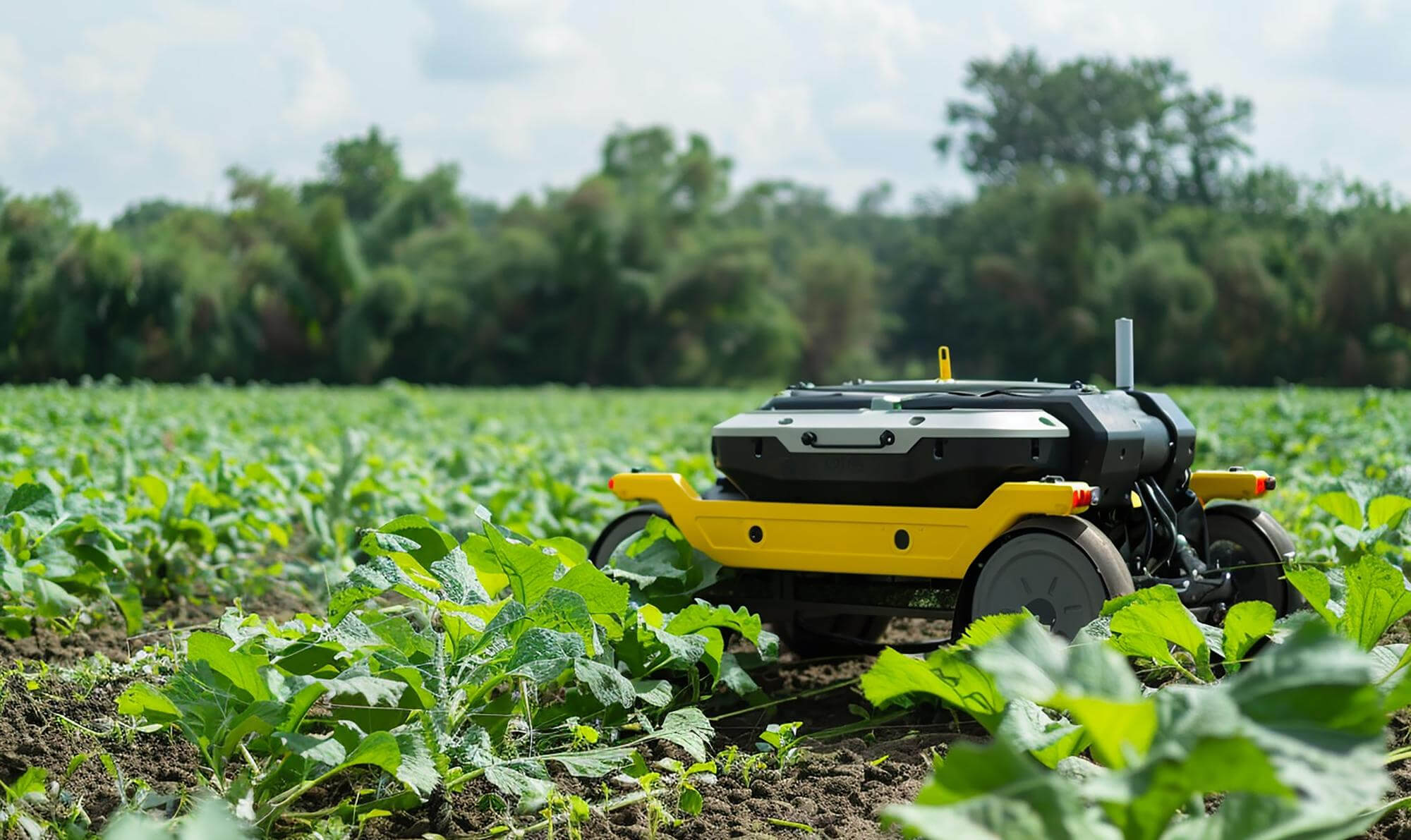
C. Autonomous Machinery & Drones
Self-driving tractors, drones, and robotic harvesters require real-time IoT connections for:
- GPS precision
- Field mapping
- Machine coordination
- Safety systems
- Live diagnostics
With eSIM, machines stay online year-round without being limited by operator lock-in.
D. Greenhouse Automation
Greenhouses rely on constant monitoring of:
- CO2 levels
- Light intensity
- Temperature
- Humidity
eSIM-connected sensors let farmers:
- Automate ventilation
- Adjust heating
- Trigger lighting cycles
- Optimize crop environments
E. Cold Chain for Agricultural Exports
Perishable goods; fruits, vegetables, flowers, dairy, meat—need strict temperature tracking.
eSIM-enabled trackers maintain data flows across border after border, ensuring:
- Quality
- Safety
- Regulatory compliance
- Reduced spoilage
4. What Makes eSIM Particularly Valuable for Agriculture
Smart farming devices often run in rough environments for 5–10 years. eSIM durability and long-term remote management eliminate costly technician visits.
Key benefits include:
- Zero-touch provisioning
- Over-the-air updates when local carriers change
- Rugged, embedded design suitable for dust, water, heat, vibration
- Long device lifetime with minimal maintenance
For OEMs building agricultural machinery or sensors:
One SKU for the entire world.
Reduce manufacturing complexity. Ship globally.
5. The Future: AI + eSIM + IoT = Autonomous Agriculture
The next wave of agricultural transformation will combine:
- Edge AI sensors
- Machine learning analytics
- 5G-ready eSIM modules
- Autonomous equipment
With no human intervention, farms will:
- Predict water and fertilizer needs
- Automate pest control
- Manage irrigation schedules
- Control crop growth cycles
- Optimize harvest timing
- Reduce labor dependency
This is where eSIM becomes the foundation of digital agriculture.
Conclusion: eSIM Is Making Sustainable, Scalable Agriculture Possible
Digitizing agriculture was once a dream.
Today it is the industry’s lifeline for climate resilience, efficiency, and global food security.
eSIM-enabled IoT solutions empower farmers to:
- Make real-time decisions
- Reduce waste
- Increase yield
- Protect livestock
- Automate operations
- Scale globally
- Stay connected—anywhere
In an era where every crop matters, connectivity is the new fertilizer.
And eSIM is the technology ensuring it never runs dry.